Digital Signature Malaysia: Build a Trusted Paperless Workflow
Approving a contract shouldn’t take days of printing, scanning and chasing signatures. But once you move the process online, a fair question follows: how can your business be confident about who signed and whether the document has been changed?
For Malaysian organisations, a dependable signing process needs more than a signature that looks familiar. It needs a sound way to identify the signer, clear evidence of approval, and a means of checking that the signed content hasn’t been altered.
This guide explains the difference between electronic and digital signatures, what Malaysian law says about their legal recognition, and how to design a signing workflow you can rely on. It also shows how MSC Trustgate’s digital identity and document-signing solutions support paperless operations.
Electronic Signature vs Digital Signature: What’s the Difference?
An electronic signature is a broad term. It can be a typed name, a drawn signature or any other electronic method used to show agreement. How strong the evidence is depends on how the signing process is built, including how the signer is authenticated and what controls protect the document.
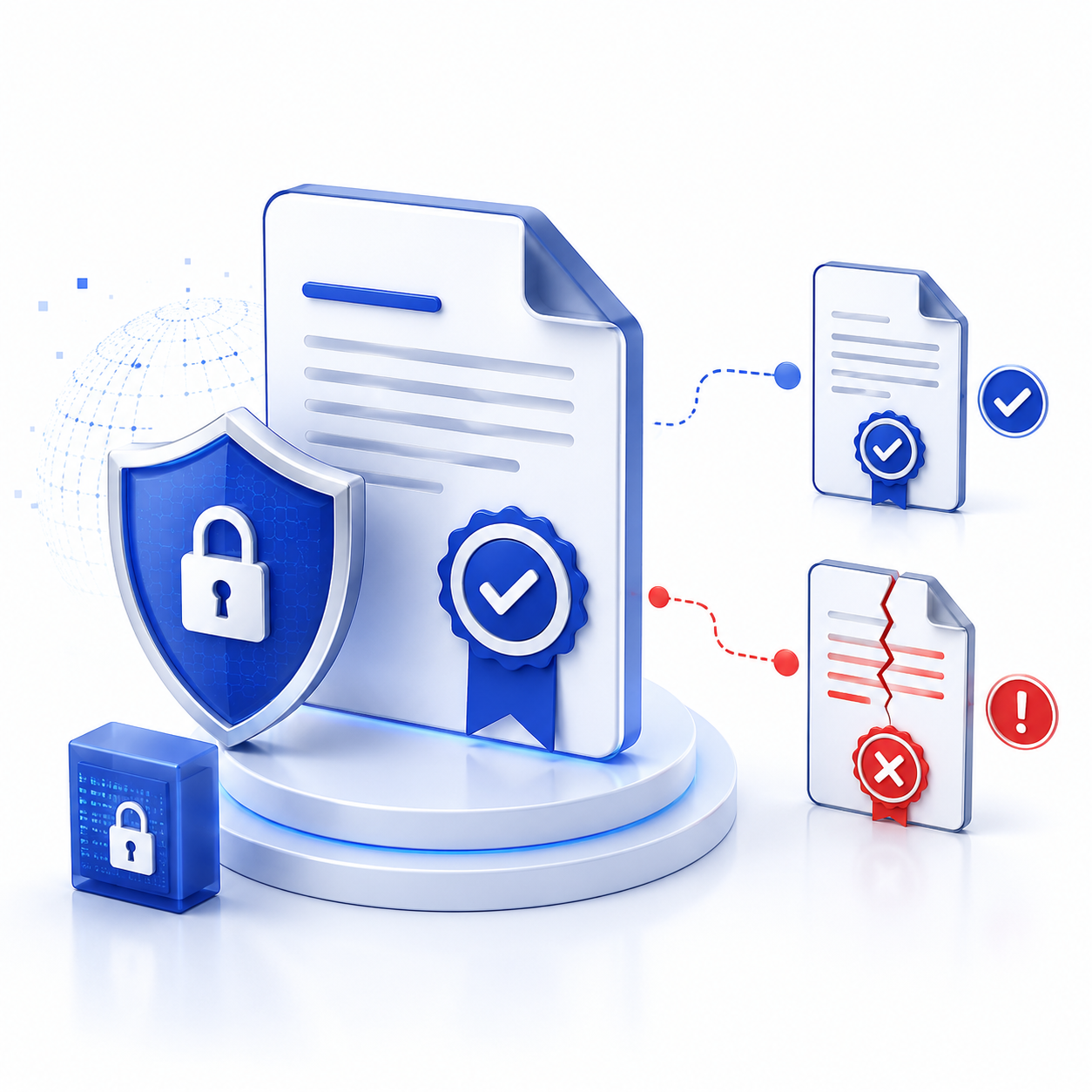
A digital signature uses public key infrastructure (PKI) and a digital certificate to link a signing identity to cryptographic verification. Recipients can verify the signature and assess the integrity of the signed content.
A signature image on its own offers neither check. That said, it would be wrong to assume every electronic-signature platform lacks security or an audit trail. The better approach is to look past how a signature appears on the page and assess the technology and evidence behind it.
Are Digital Signatures Legally Recognised in Malaysia?
In Malaysia, under section 62 of the Digital Signature Act 1997 (DSA), a digital signature can satisfy a signature requirement when certain conditions are met. These include verification against a valid certificate issued by a licensed Certification Authority, the signer’s intention to sign, and conditions relating to the recipient’s knowledge. In short, legal recognition is conditional, not automatic for every online signature.
Documents excluded from the ECA. The ECA does not apply to powers of attorney, wills and codicils, trusts, or negotiable instruments. This exclusion does not, on its own, settle how these documents are treated under other laws. Before choosing a signing method, check the execution, witnessing and filing requirements for each document type.
A Practical Approach to Trusted Digital Signing
Start with the document and its purpose. Work out who needs to sign, what authority they must have, and what evidence your organisation needs to keep. A routine acknowledgement and a sensitive customer agreement rarely call for the same level of control.
Then review the whole journey. Ask yourself:
- How does the signer authenticate?
- Can the recipient verify the signed file?
- Who stores the completed document and its supporting records?
Answering these early helps you build a process that still works long after the signing session ends.
MyTrust365: One Platform for Document Review, Approval and Signing
MSC Trustgate’s MyTrust365 brings document review, approval and signing together in a single platform. Its published capabilities include document templates, workflow rules, audit trails and PKI-based digital identity, with a multi-factor authentication option.
It also offers integration through APIs and/or SDKs, so you can embed signing into existing websites, applications and business processes. Deployment options include on-premise, public cloud and private cloud, which gives your team room to discuss operational and data-residency requirements with MSC Trustgate.
MyTrust ID: Stronger Signing Starts with Verified Identity
A signing workflow is only as strong as the identity check behind it. MyTrust ID is MSC Trustgate’s mobile digital identity solution for customer onboarding and authentication.
According to the website, it uses a four-layer verification process before a certificate is issued:
- Identity-document detection
- Phone-number verification
- Database verification
- Bank-account verification
Your team can discuss how these layers fit your onboarding journey, your customer base and the level of assurance you need.
Digital Signature Features That Preserve Verifiable Evidence
MSC Trustgate’s digital-signature offering lists remote signing through mobile applications, certificate revocation checking, time stamping and long-term validation. These matter when you need to verify signed records well beyond the original transaction.
During implementation, confirm which capabilities apply to your chosen solution and how validation evidence will be retained. It’s also wise to set up access controls, signing-authority procedures and a clear process for responding to compromised credentials.
Making the Move to Paperless Operations
Start with a clearly defined workflow, confirm its requirements, and test the experience with both signers and recipients. A good rollout makes approvals easier while keeping the evidence you need to stand behind each transaction.
Ready to Build a Trusted Digital Workflow?
Whether you’re reviewing digital onboarding or improving document approvals, MSC Trustgate can help you find a signing approach that suits your organisation. Reach out our sales team at sales@msctrustgate.com to discuss MyTrust365, MyTrust ID and digital-signature solutions.
#digitalsignature #Malaysia #electronicsignature Malaysia #DigitalSignatureAct1997 #paperlessworkflow #digital identity #PKI #MyTrust365 #MyTrust ID